How Strong Is the Wind in Limassol and What Time Does It Start?

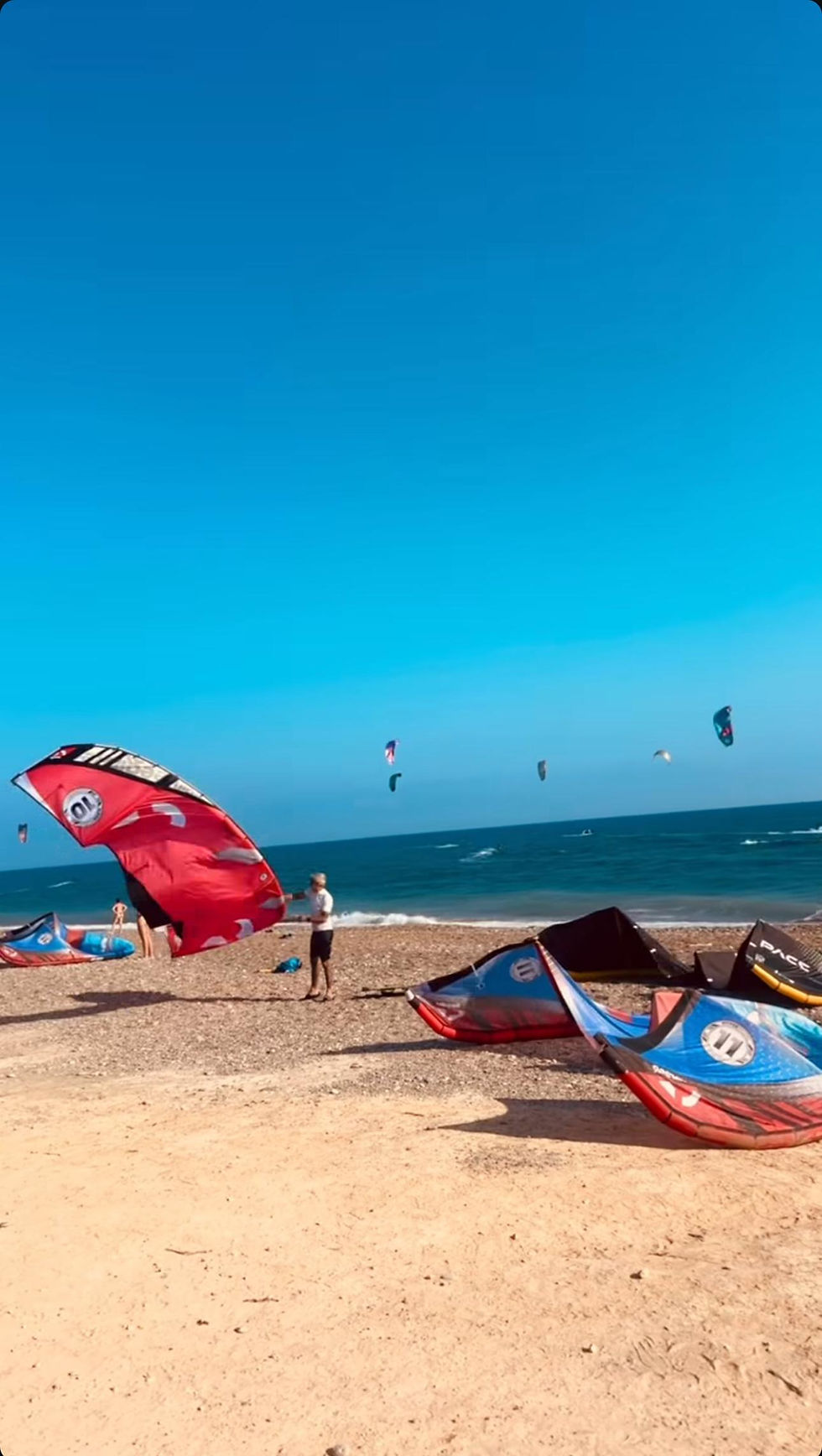
Limassol kitesurfing wind is often associated with afternoon thermal sea breezes during the warmer months. However, there is no fixed daily start time or guaranteed strength. The conditions depend on season, temperature, cloud cover, local coastline shape and the wider weather pattern.
Why afternoon wind develops
During sunny weather, the land heats faster than the sea. Warm air rises over land and cooler air can move in from the sea, creating a sea breeze. This process may strengthen gradually from late morning or early afternoon and continue into the evening.
Different beaches around Limassol can react differently. A forecast for the city centre may not represent Avdimou, Paramali or another coastal area.
What wind strength is suitable for beginners?
There is no single number because kite size, rider weight, gustiness and water conditions all matter. Moderate, steady wind is usually more useful for learning than strong wind with large gusts. An instructor will compare the average speed, gusts, direction and trend before choosing equipment.
Beginners should not select a kite using an app and an online size chart alone.
Why forecasts disagree
Forecast providers use different models, update times and measuring heights. One app may display average wind while another emphasises gusts. The closest weather station can also be sheltered or positioned differently from the launch.
Local observation remains important. Schools may watch the sea surface, flags, temperature and real-time stations before confirming a lesson.
What time should you arrive?
Follow the time provided by the school rather than assuming all lessons begin at 2:00 pm or 3:00 pm. You may receive a provisional window and a final confirmation later. Keep travel time in mind because some beaches are outside Limassol city.
Arriving early is useful, but do not set up or launch without your instructor.Morning sessions
Morning wind can occur, particularly with weather systems or at specific locations, but summer mornings are often calmer. Early hours may be used for theory, stand-up paddleboarding or other activities until the breeze develops.
Winter sessions follow a different pattern and can be driven by frontal weather rather than thermal wind.
Reading wind direction
Direction is as important as speed. Onshore and cross-onshore wind generally provide safer return toward the beach. Offshore wind moves away from land and may require specialised support. Side effects from cliffs, buildings or headlands can create turbulence even when the general forecast looks favourable.
Plan with flexibility
Choose several potential lesson days and stay in contact with the instructor. Do not build a strict holiday schedule around an exact forecast several days in advance.
Limassol kitesurfing wind is often best later in the day during the main warm season, but exact timing and strength cannot be promised. Use forecasts as planning tools, then rely on current local assessment and professional guidance for the final decision.
Before you book
Contact the school with your available dates, experience, approximate weight and any relevant health or swimming information. Ask for the current meeting process, lesson inclusions and weather policy. Conditions can change quickly, so treat published guidance as general information and follow the instructor’s assessment on the day.



Comments