Is Kitesurfing Equipment Included in Lessons?

Kitesurfing equipment is normally included in a professional beginner lesson, but every school packages its services differently. Before booking, ask for written confirmation of the kite, board, harness and personal safety equipment provided. This avoids arriving at the beach without something essential.
The kite and control system
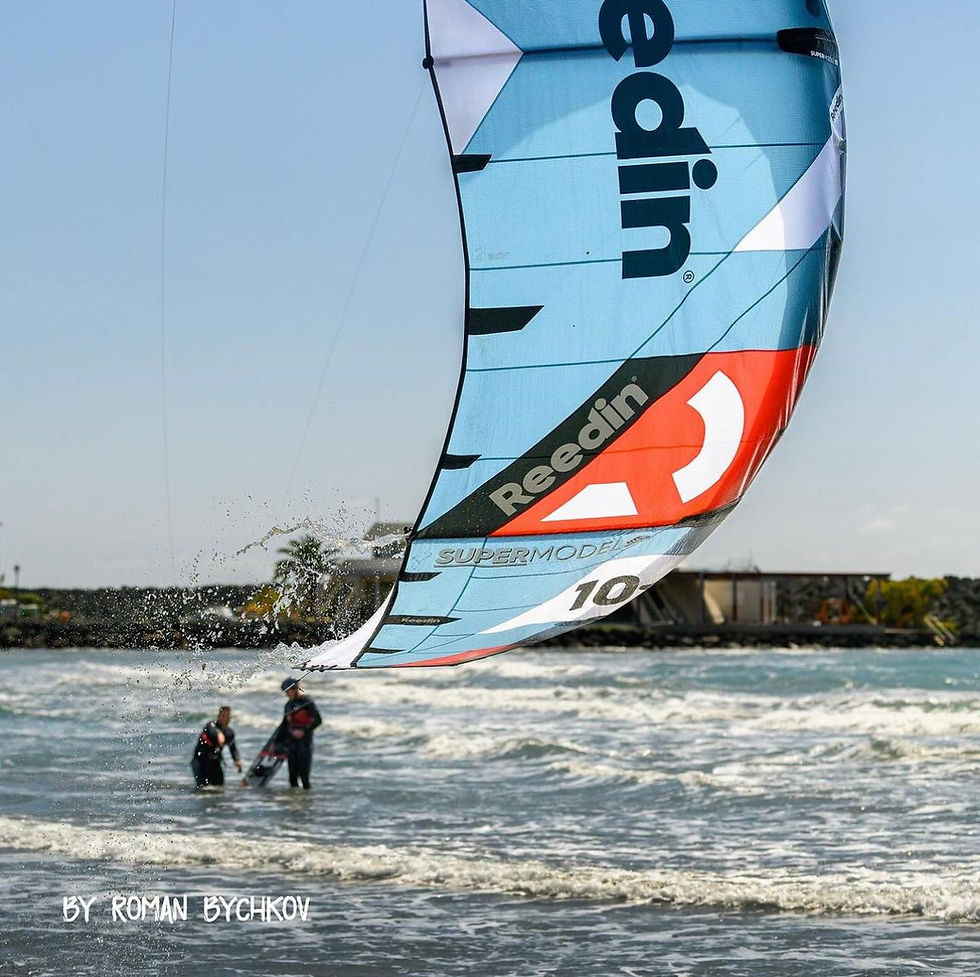
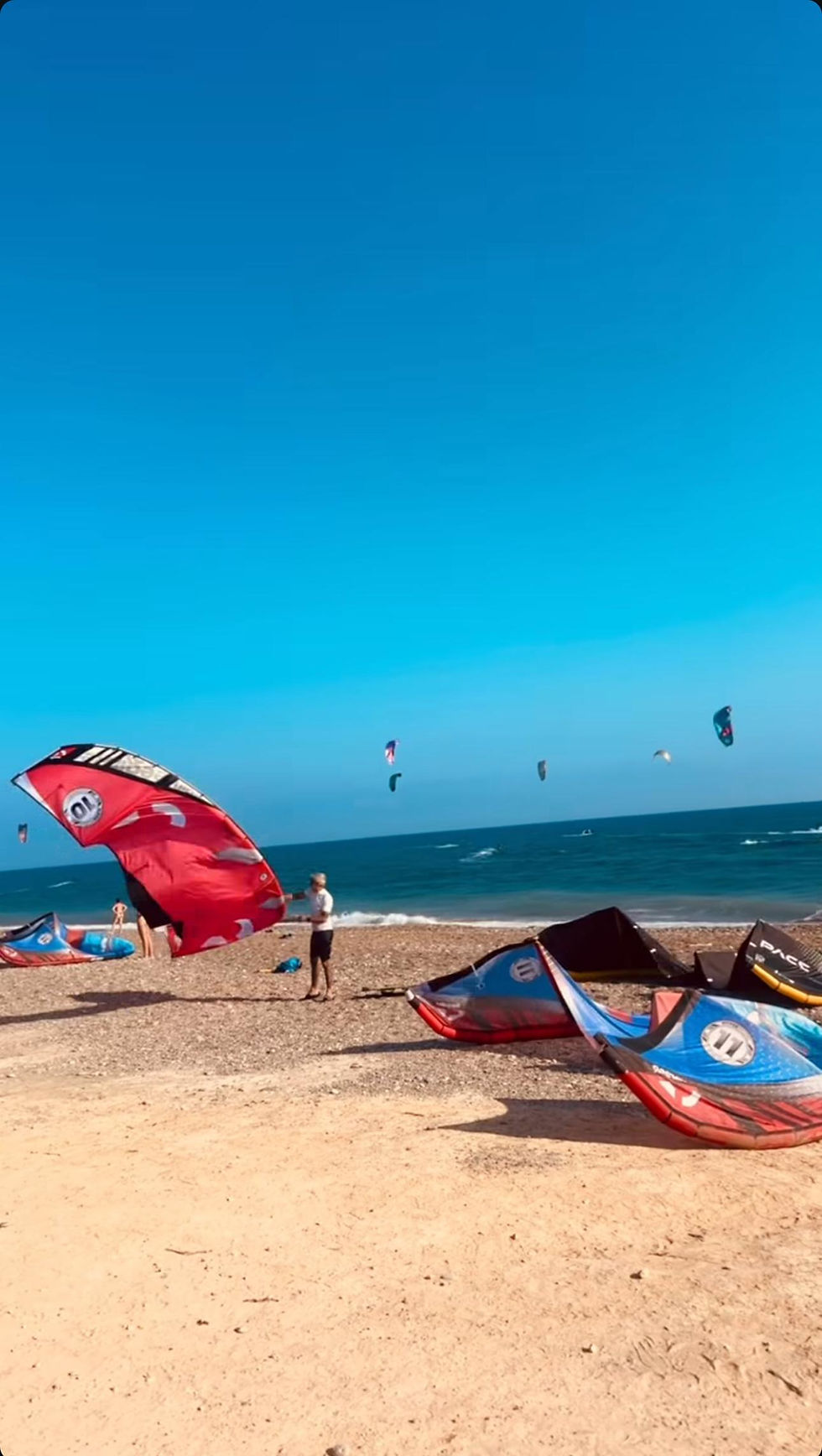
Your instructor should select a kite size based on the wind, your weight and the stage of your lesson. Beginner schools usually keep a range of inflatable kites and may also use small trainer kites on land.
The control bar, lines, leash and quick-release system should match the kite and be checked before use. The instructor must show you how the safety system works. Do not accept “you will learn it later” as an answer.
Board and harness
A larger beginner board can make early water starts easier because it offers more surface area and stability. As you improve, the instructor may change the board.
Harness type and fit matter. A harness that is too loose may move uncomfortably, while one that is too tight can restrict movement. Tell the instructor immediately if you feel pinching, numbness or pain.
Helmet and flotation protection
A helmet and flotation aid or impact vest are standard items for many beginner programmes. They should fit securely and allow normal breathing and movement. Personal flotation equipment supports you in the water but does not replace swimming ability or instructor supervision.
Wetsuits and water shoes
Whether a wetsuit is included depends on the school. Cyprus water is warm in summer, but a wetsuit or protective layer can reduce sun exposure, wind chill and rubbing from the harness. Cooler months may require thicker protection.
Water shoes may be recommended at spots with stones, shells or hot sand. Ask about local conditions before buying anything.
What should the student bring?
Bring swimwear, a towel, drinking water and high-protection water-resistant sunscreen. A long-sleeved rash vest, hat for waiting periods and secure sunglasses may also help. Avoid jewellery that could catch in lines or be lost in the sea.If you need prescription glasses, discuss a secure solution with the school.
Can you use your own equipment?
Experienced students may prefer their own kite or board, but the instructor should inspect it and decide whether it is suitable. Old safety systems, damaged lines or an inappropriate kite size may not be accepted for a lesson.
Beginners should avoid purchasing a full setup before understanding their needs. Equipment suitable for an advanced rider may be frustrating or unsafe for learning.
Confirm before paying
Ask whether equipment use is included for the full lesson, whether students share one kite, and whether damage deposits apply. Also confirm what happens if equipment becomes unavailable or the session is moved to another beach.
For most beginner kitesurfing lessons in Limassol, Cyprus, the essential technical equipment should be provided. Your main responsibility is to bring personal beach items, accurate information about your size and health, and a willingness to learn the safety procedures before entering the water.
Before you book
Contact the school with your available dates, experience, approximate weight and any relevant health or swimming information. Ask for the current meeting process, lesson inclusions and weather policy. Conditions can change quickly, so treat published guidance as general information and follow the instructor’s assessment on the day.


Comments