Which Kite Sizes Should I Bring to Cyprus?

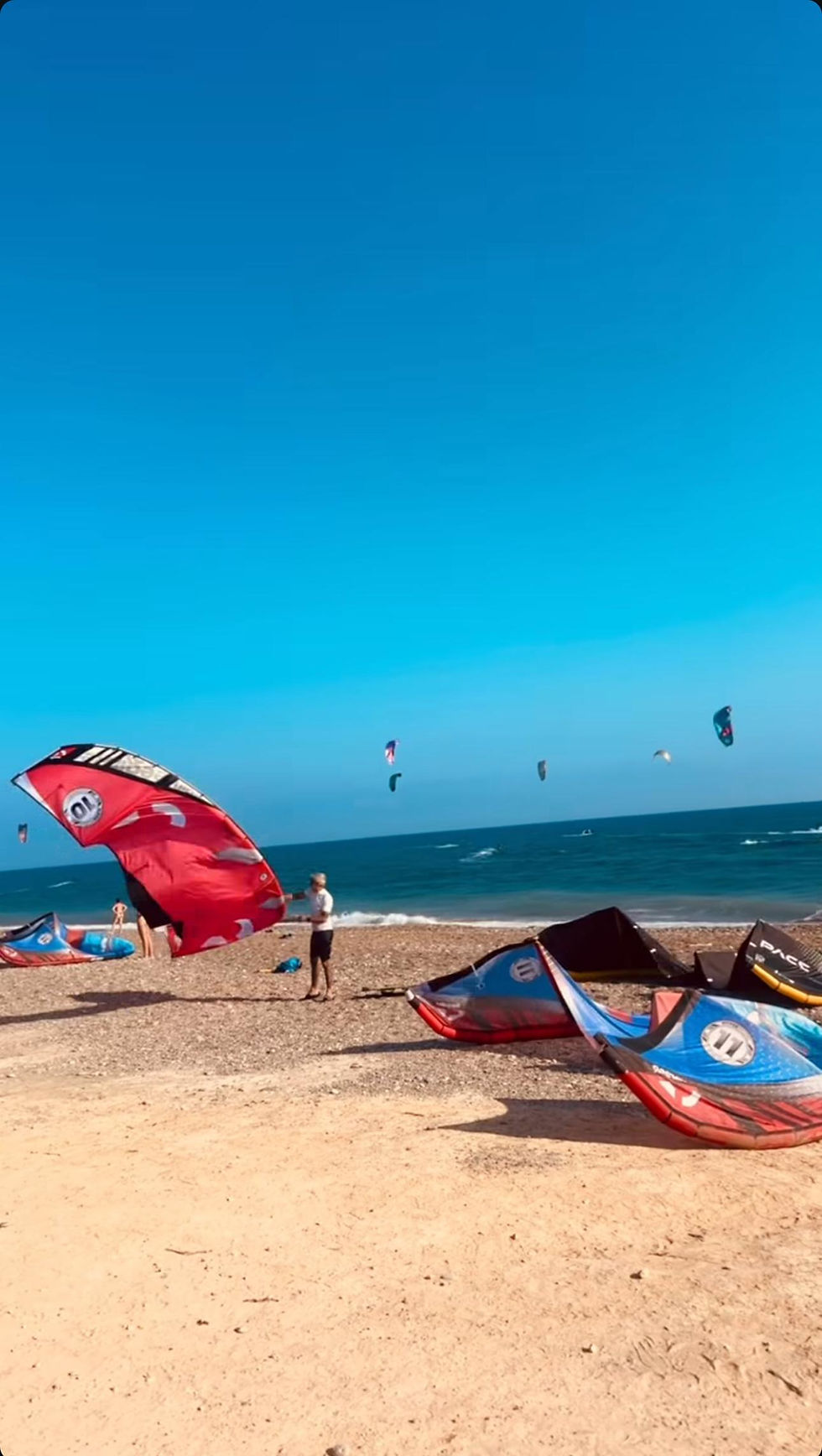
There is no single perfect set of kite sizes for Cyprus. The right quiver depends on your body weight, board size, riding style, ability and the time of year. Summer conditions around the southern coast are often moderate, but stronger and lighter days both occur.
Start with your usual wind range
Bring the kites you already use confidently in moderate conditions at home. A rider should know the safe lower and upper range of each kite based on personal experience, not only the manufacturer’s chart.
For many average-weight twin-tip riders, a medium-sized kite is likely to receive the most use, supported by a smaller kite for stronger wind and a larger option for lighter days. Exact sizes vary too much by weight and equipment design to prescribe one universal combination.
Rider weight changes everything
A lighter rider may use a smaller kite in the same wind where a heavier rider needs more canopy. Board size also matters. A larger board can help in lighter wind, while a small performance board needs more power.
Tell a local school or rental centre your weight and normal kite sizes when asking for recommendations.
Foil, twin tip and directional boards
Hydrofoil riders can use smaller kites in lighter wind once skilled, while wave riders may choose different power and drift characteristics. Beginners on larger twin-tip boards often need a stable, easy-relaunching kite rather than a high-performance model.
The question should therefore be “which kite and board combination?” rather than kite size alone.
Seasonal differences
During the main warm season, thermal breezes may build in the afternoon. Spring and autumn can provide a wider mix of weather. Winter systems may bring stronger, gustier conditions and waves.
Check historical information for planning, but use a current forecast before packing the final quiver.
Travelling with limited luggage
When airline baggage limits allow only one kite, choose the size with the widest useful range for your weight and board. Renting a second size locally can provide flexibility, although availability should be booked in advance.
Protect bars and fins, dry equipment before the return flight and check the airline’s sports-baggage rules.
Do not borrow an unfamiliar kite casually
Safety systems differ between brands and model years. Before using rental or borrowed gear, practise the release, understand the reset procedure and check the line setup. Never assume that every four-line bar is compatible with every kite.
Ask local riders before launching
A kite size that looks correct on the beach may become overpowered if the wind is still building. Speak to the local centre, observe similar-weight riders and leave a safety margin.
The best kite sizes for Cyprus are a flexible two- or three-kite range selected around your weight and normal conditions. Avoid relying on a single internet recommendation. Current wind, board choice and your actual experience should guide the final decision.
Before you book
Contact the school with your available dates, experience, approximate weight and any relevant health or swimming information. Ask for the current meeting process, lesson inclusions and weather policy. Conditions can change quickly, so treat published guidance as general information and follow the instructor’s assessment on the day.



Comments